The "King of the Vendée". Commander-in-chief of the Catholic and Royal Army, he led the insurrection in the Pays de Retz — the country of Briord. Cousin of Joseph Charette de Briord.
Of all the figures that revolve around the Land of Briord, none is more intimately linked both to the blood of the estate and to the history of the Pays de Retz than François-Athanase Charette de La Contrie — the most famous of the Vendée generals.
The cousin of Briord
Charette de La Contrie belonged to the same family as Joseph Charette de Briord, master of the estate on the eve of the Revolution: the two men were cousins. It is this bond of blood that brings the "King of the Vendée" fully into the memory of Briord.
The naval officer
Born on 2 May 1763 at the manor of La Contrie, at Couffé, near Ancenis — in Loire-Atlantique — Charette was the younger son of a family of minor Breton nobility. He entered the Royal Navy as early as 1779 and fought in America during the War of Independence. In 1790 he left the service and withdrew near Machecoul, at the heart of the Pays de Retz.
The Vendée leader
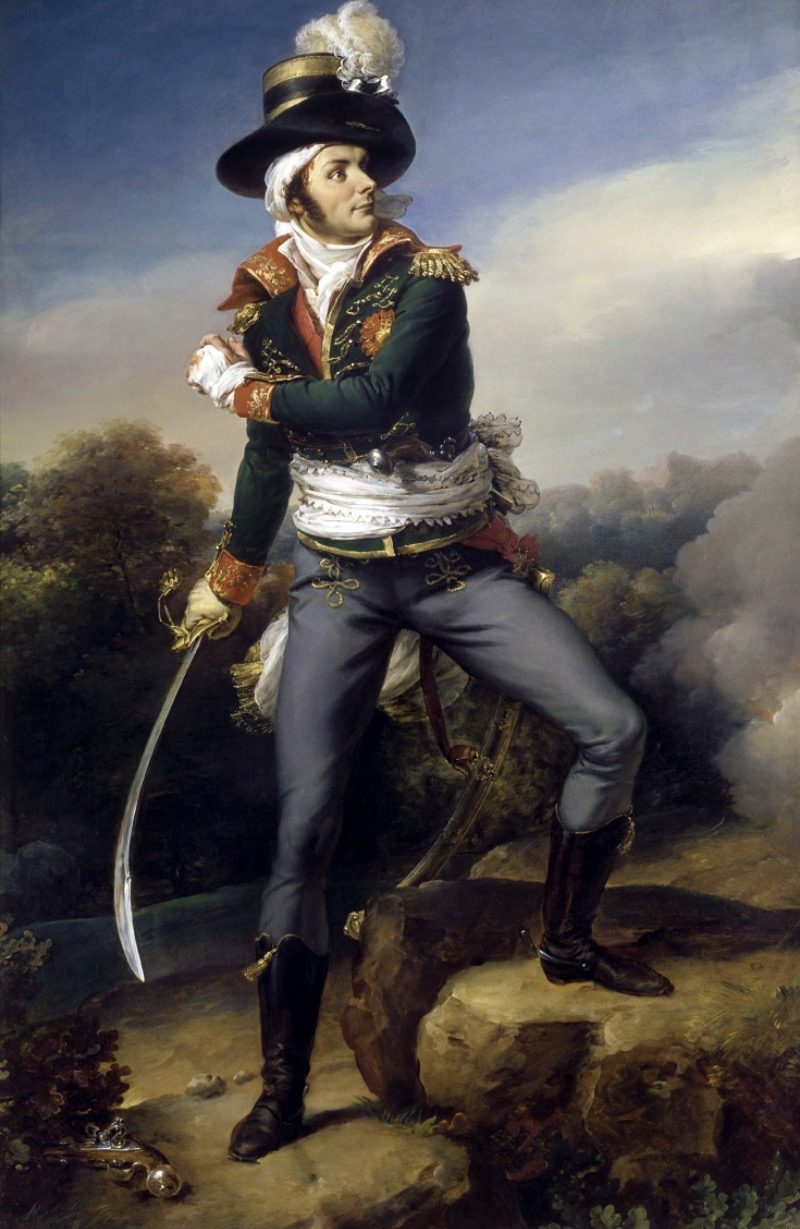
In March 1793, the mass conscription decreed by the Republic set the West ablaze. Rebellious peasants came to seek Charette at his manor of Fonteclose and summoned him to lead them. Reluctant at first, he accepted — and soon became one of the principal leaders of the military Vendée. He commanded the Catholic and Royal Army of the Bas-Poitou and the Pays de Retz, that very region of which the Land of Briord forms part.
His motto has remained famous: "Often fought, sometimes beaten, never brought down."
Capture and death
After three years of relentless guerrilla warfare, abandoned by his own and wounded, Athanase was captured on 23 March 1796 in the woods of La Chabotterie. Condemned to death, he was shot six days later, on 29 March 1796, on the Place Viarme in Nantes. He fell, it is said, giving the order to fire himself, refusing to have his eyes bound.
A figure of memory
Through the perseverance of his resistance, Charette has remained, in collective memory, the emblematic general of the Vendée uprising. Even Napoleon would say of him: "He shows glimpses of genius."
For Briord, at the heart of the insurgent Pays de Retz, his name recalls that the history of the estate is inscribed within that — tragic and heroic — of the Vendée.