Daughter of Anne of Brittany, Queen of France through her marriage to Francis I. With her, the duchy in which the Land of Briord lies was permanently united to the Crown.
Claude of France closes the long chapter of ducal Brittany. After her, the duchy on which Briord depended no longer existed as a distinct principality.
Daughter of two crowns
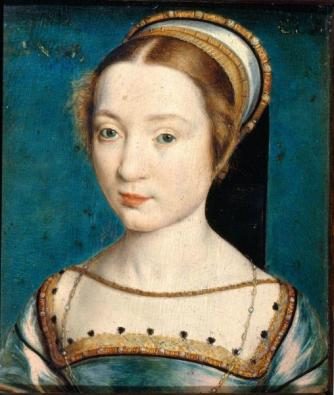
Born in 1499, Claude was the daughter of Anne of Brittany and King Louis XII. In her were joined the heritage of the Duchy of Brittany and that of the Kingdom of France. From birth, she was one of the most sought-after matches in Europe.
Queen of France
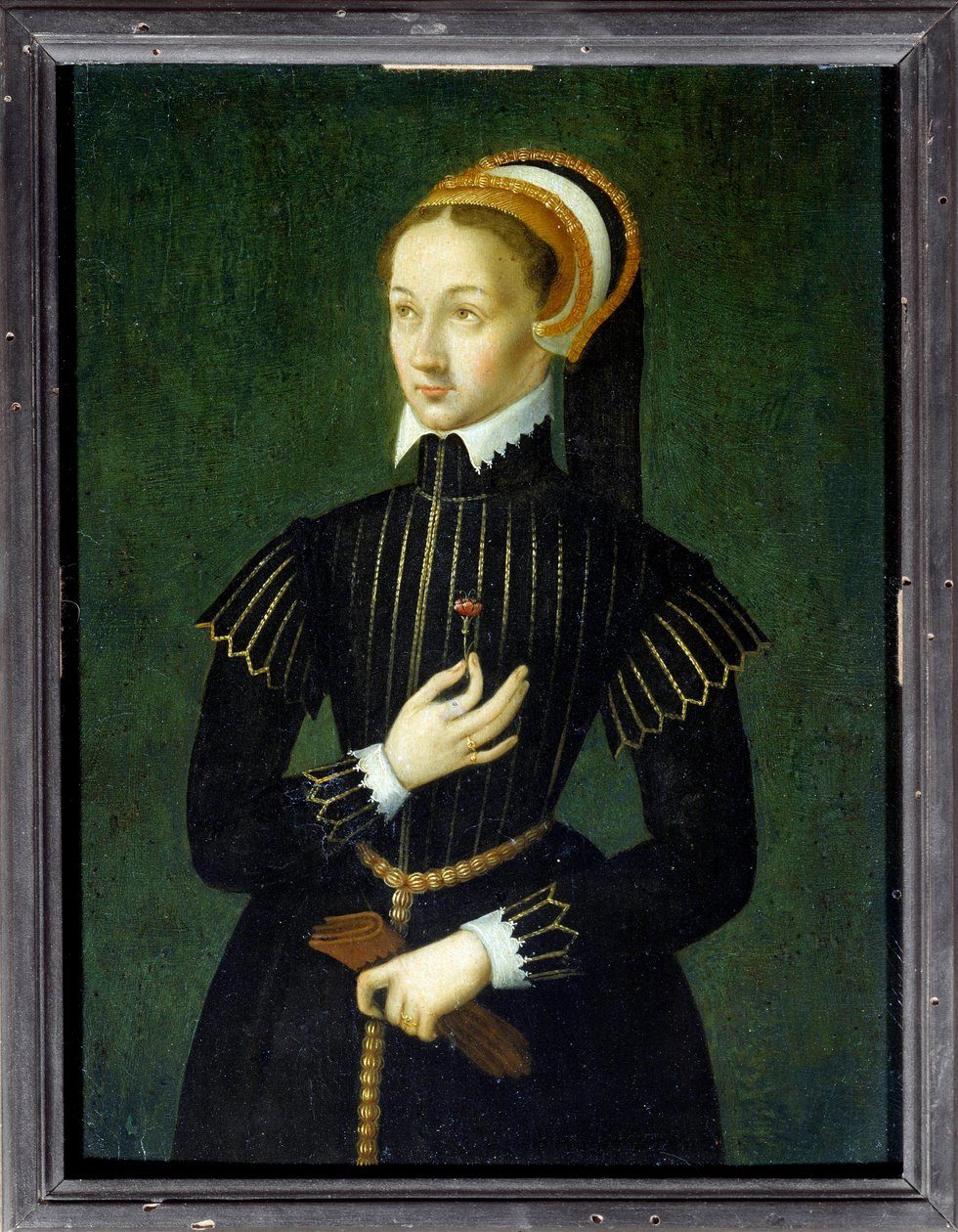
In 1514 she married her cousin Francis of Angoulême, who the following year became King Francis I. Claude was then Queen of France and Duchess of Brittany. Reserved, pious, often eclipsed by the brilliance of her husband, she gave birth to seven children in less than ten years, among them the future Henry II.
The definitive union
Claude died very young, in 1524, at twenty-four, worn out by successive pregnancies and tuberculosis. Eight years later, in 1532, her eldest son had the Estates of Brittany ratify the perpetual union of the duchy to the Crown of France. Independent Brittany now belonged to the past.
The remarkable story of Queen Claude
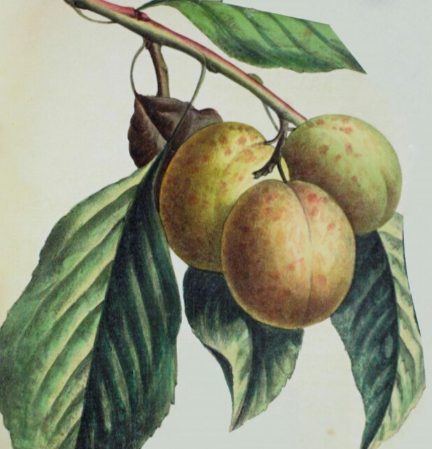
Claude of France, though she died so young, has also come down to posterity for lending her name to a fruit as delicate and sweet as the queen herself.
On the occasion of a visit by an ambassador of Francis I, and in thanks for his coming, Suleiman the Magnificent had a plant offered to the king, who hastened to entrust it to his wife, the Queen of France, of whom history relates that she had "green fingers".
She indeed grew passionate about this exotic plant, acclimatised it to our climates, and thus created a new fruit variety in the West.
This plant was a plum tree which, as you will have guessed, was named the "Reine Claude" (the greengage).
On the Land of Briord, a favoured hunting ground of her grandfather Francis II, Duke of Brittany, and of his treasurer and owner Pierre Landais, it was only natural to keep alive the story of the young Queen Claude.
Thus, at the centre of the great conservatory kitchen garden of Briord, twelve Reine Claude plum trees of four historic varieties were planted.
Briord, land of the kingdom
From then on, the Land of Briord was no longer the seigneury of a sovereign duchy, but a land of the Kingdom of France. The estate then passed, through the women, from the L'Épervier family to the Rouxières, in a Brittany that had become a French province.