One of the greatest Nantes merchants of his day, partner of the Dubois-Violette family in trade with China. It was he who fitted out the Fils de France, launched in 1818 to conquer the sea routes to the Far East.
Thomas Dobrée never owned Briord. But his name is inseparable from the age of the Dubois-Violette family, those masters of the estate who were his business partners, his relatives by marriage, and his associates in the most daring maritime ventures of Nantes.
A great trading house
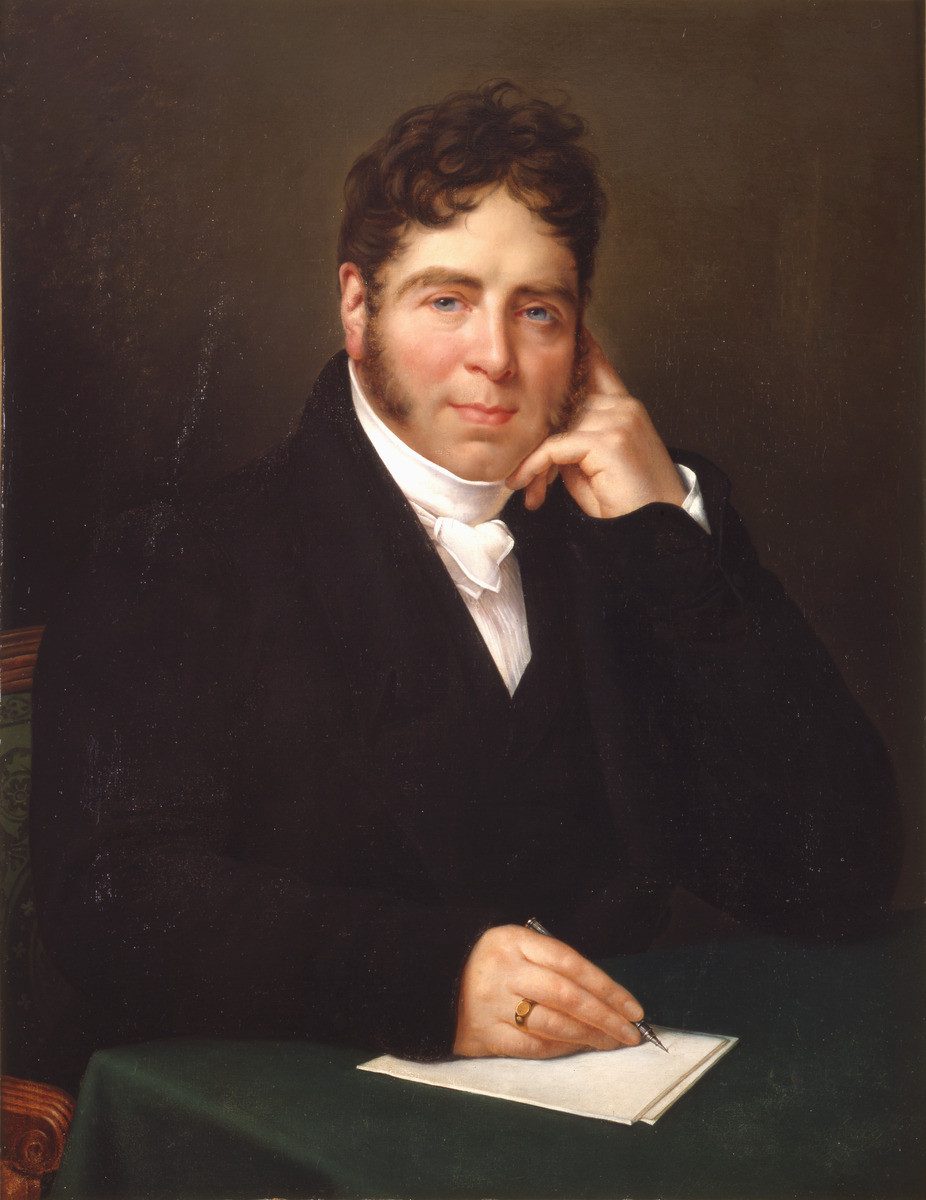
The Dobrée family belonged to that merchant bourgeoisie of Anglo-Norman origin, come from Guernsey, which made the fortune and the greatness of Nantes at the turn of the eighteenth and nineteenth centuries. Shipping, long-distance trade, banking: the Dobrée house was among the most powerful in Nantes.
The partner of the Dubois-Violette family
The link with the Land of Briord runs through trade and through families. Jean-Anne-Thomas Dubois-Violette, master of Briord, was the business partner of Thomas Dobrée in trade with the Far East. The two men had long been connected: as early as 1788, the father, Jean-Anne Dubois-Violette, had been godfather to a child of the Dobrée kin. In the society of Nantes trade, everything held together — through marriages as much as through contracts.
The Fils de France
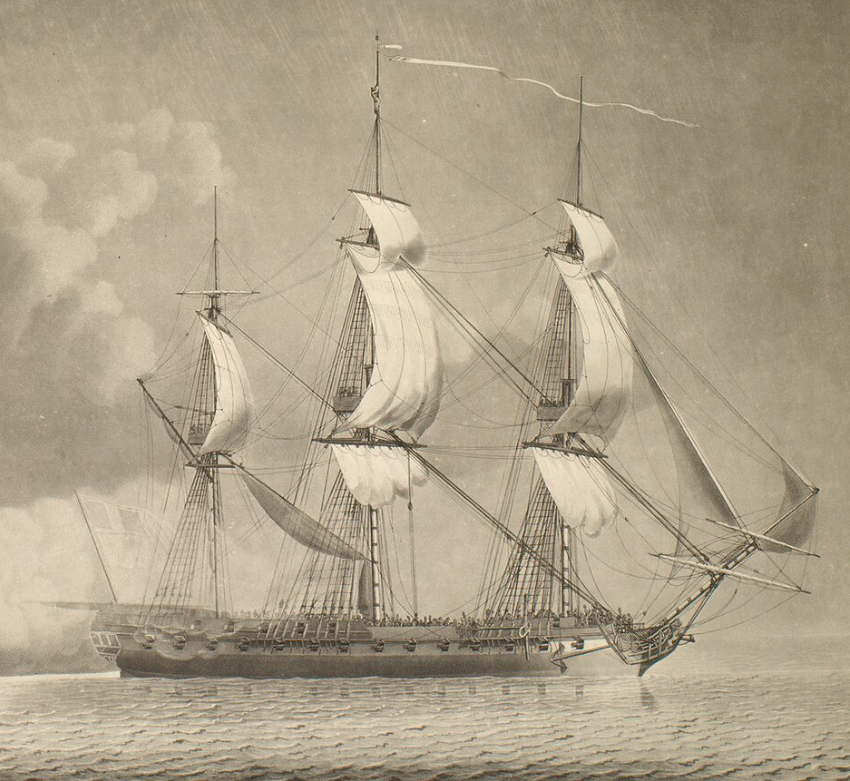
From this partnership was born one of the finest maritime adventures of Restoration Nantes.
Convinced that the future of trade lay in China, Dubois-Violette urged Dobrée to have a great ocean-going vessel built, specially designed for the Far East.
This ship, the Fils de France, was launched in 1818 in the presence of the Duke of Angoulême, son of the future Charles X.
It set out from Nantes for Canton, opening a new trade route to China for the city.
The plans of the Fils de France are still preserved in the archives today.
Briord, refuge and point of departure
Dubois-Violette's affairs suffered reverses, and it was to his château of Briord that he withdrew after his first bankruptcy — but it was also from Briord that he continued to direct his enterprises.
Thomas Dobrée remained present in the life of the estate: at a wedding celebrated at Briord, it was Thomas Dobrée the younger who was one of the witnesses.
The posterity of a name
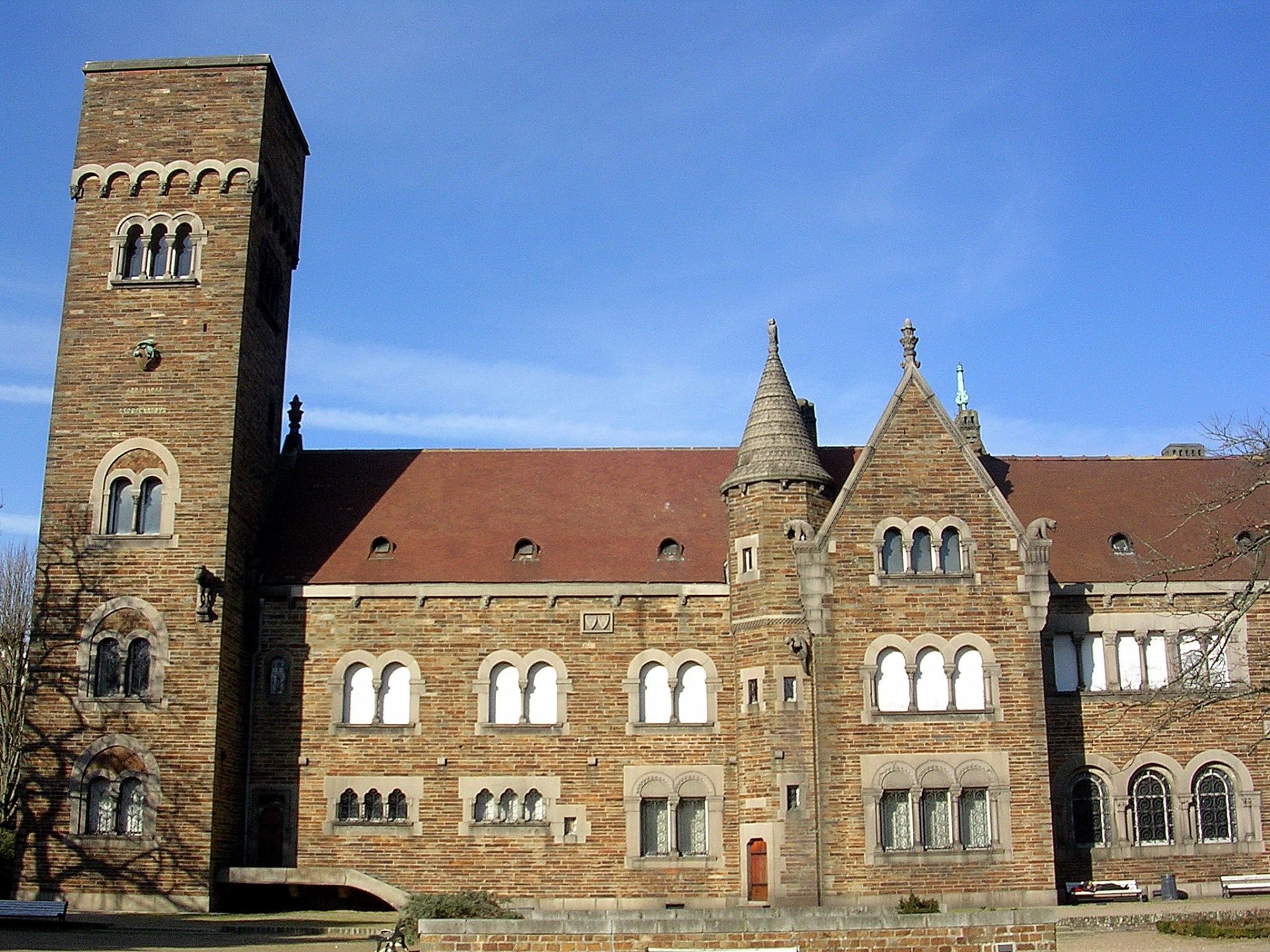
The Dobrée name has crossed the centuries far beyond trade. Thomas Dobrée the younger, heir to the family fortune, was a great collector: it is to him that Nantes owes the Dobrée Museum, one of the city's heritage jewels, where manuscripts, works of art and precious objects are preserved.
Through the Dobrée family, a whole side of the great Nantes trade — its boldness, its fortunes, its ships — comes to touch the history of the Land of Briord.